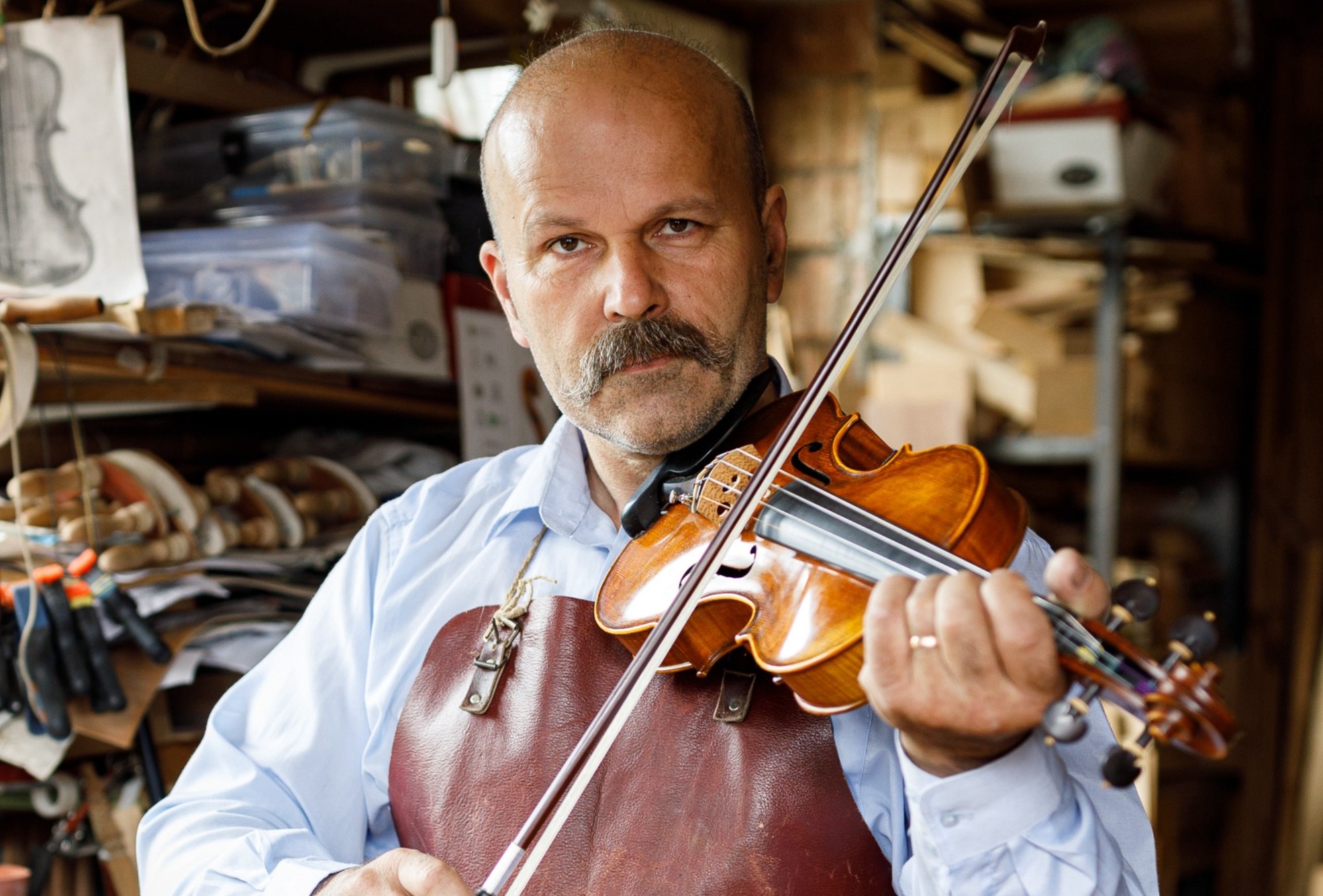
"Ágoston L. Márton
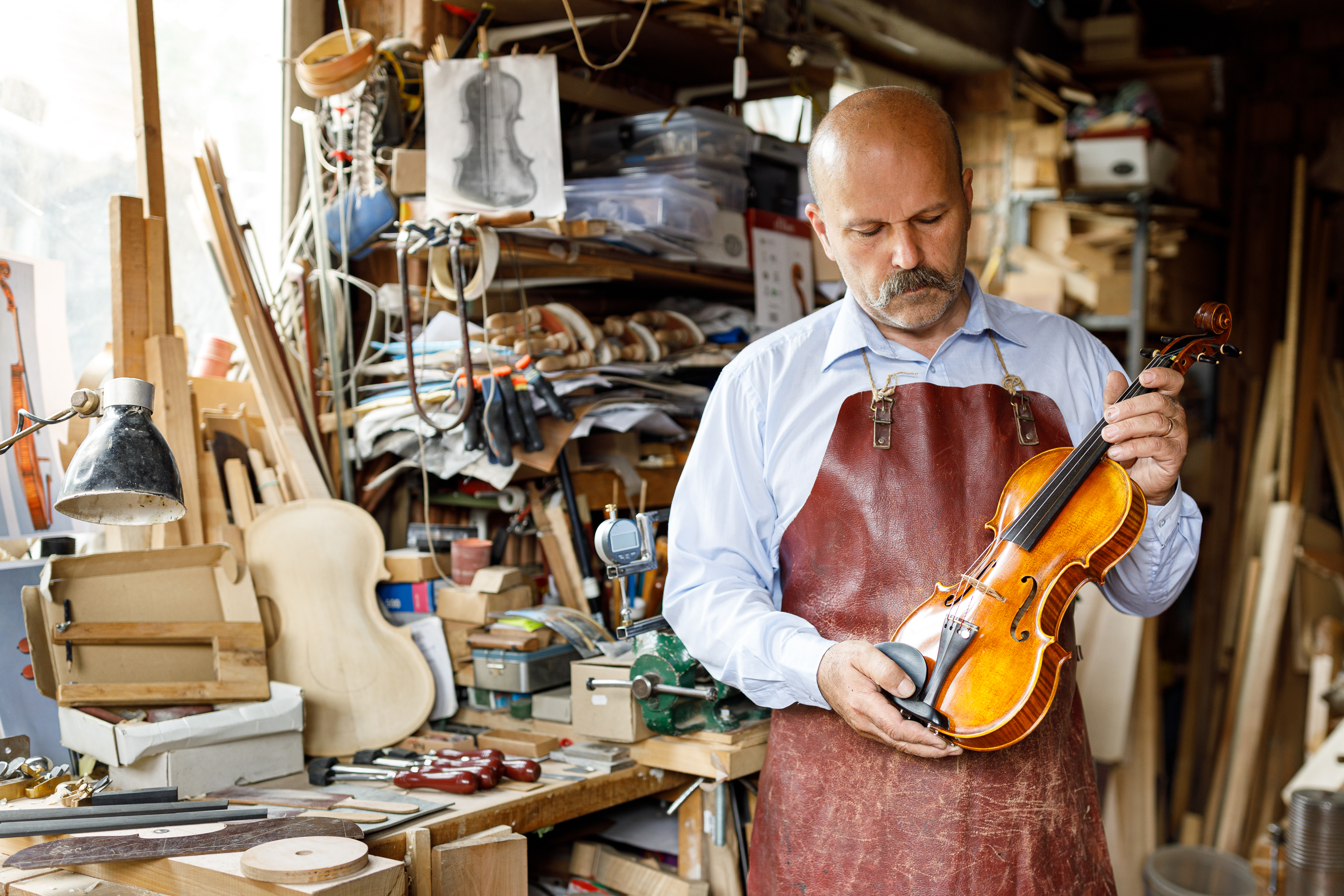
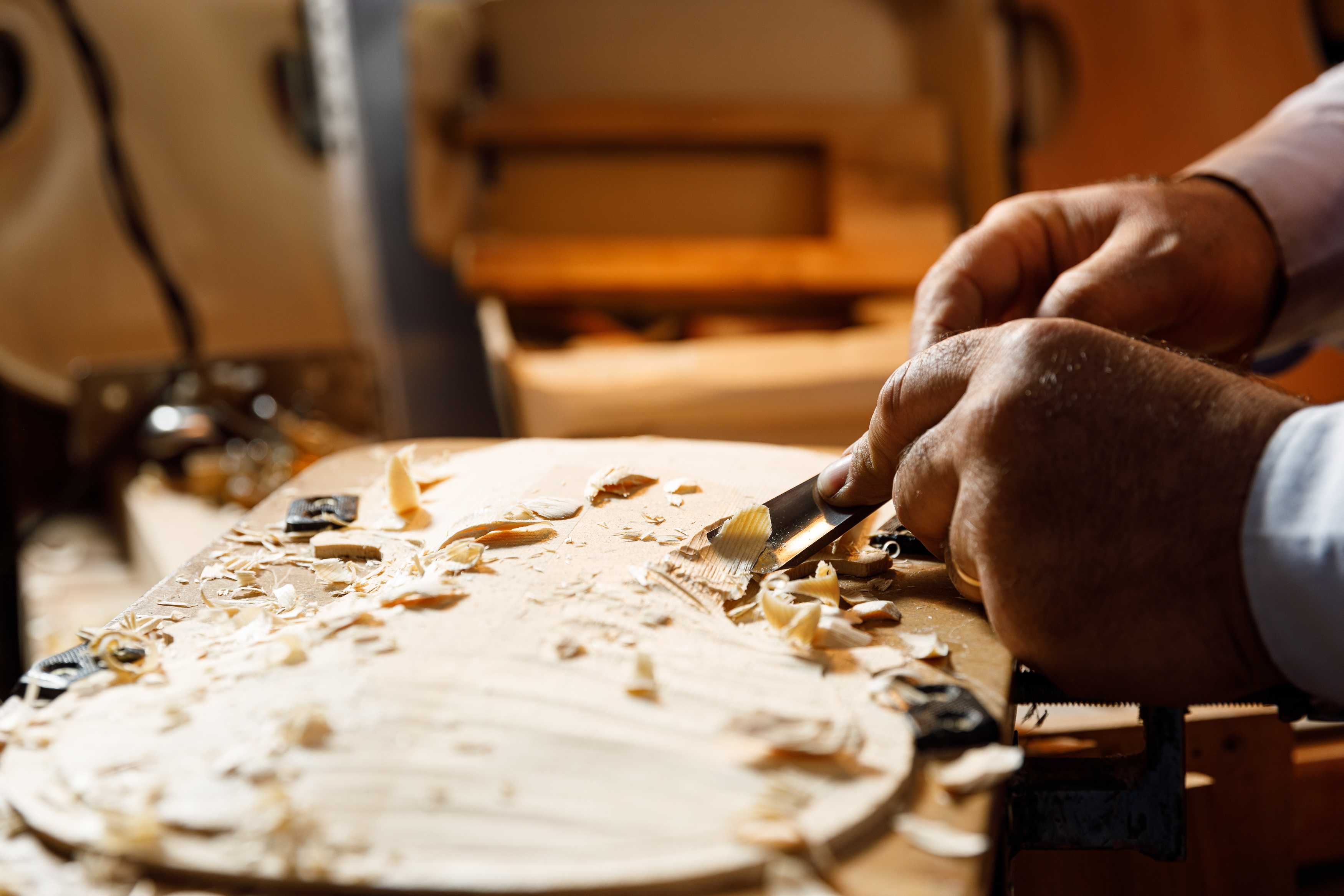
...came to violin making later in his life after spending twenty years in a restoration workshop, working on several long projects restoring carved wood furniture, wooden statues and altar pieces from medieval churches. In recent years he has made over thirty Hungarian folk instruments called citera (zither)...
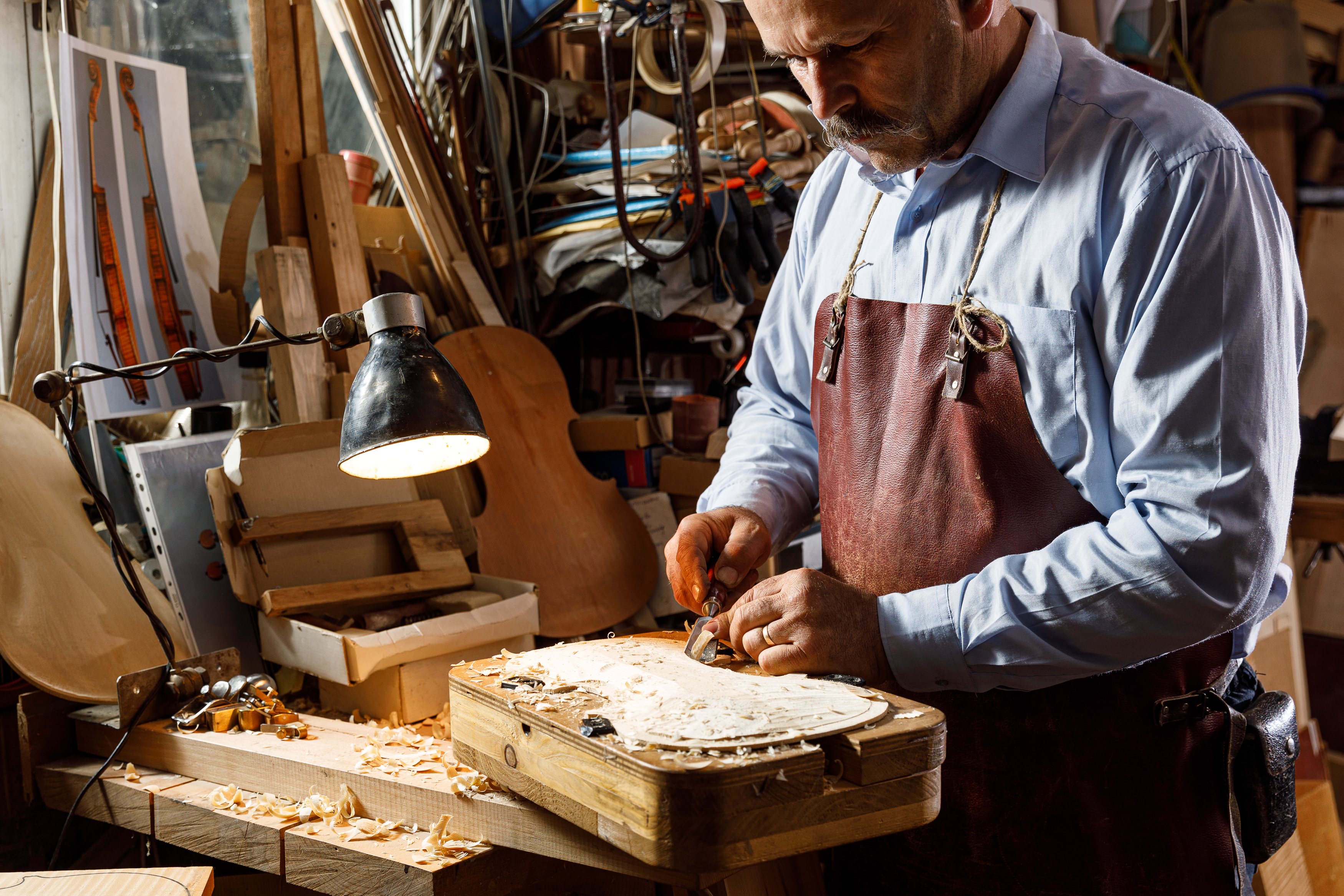
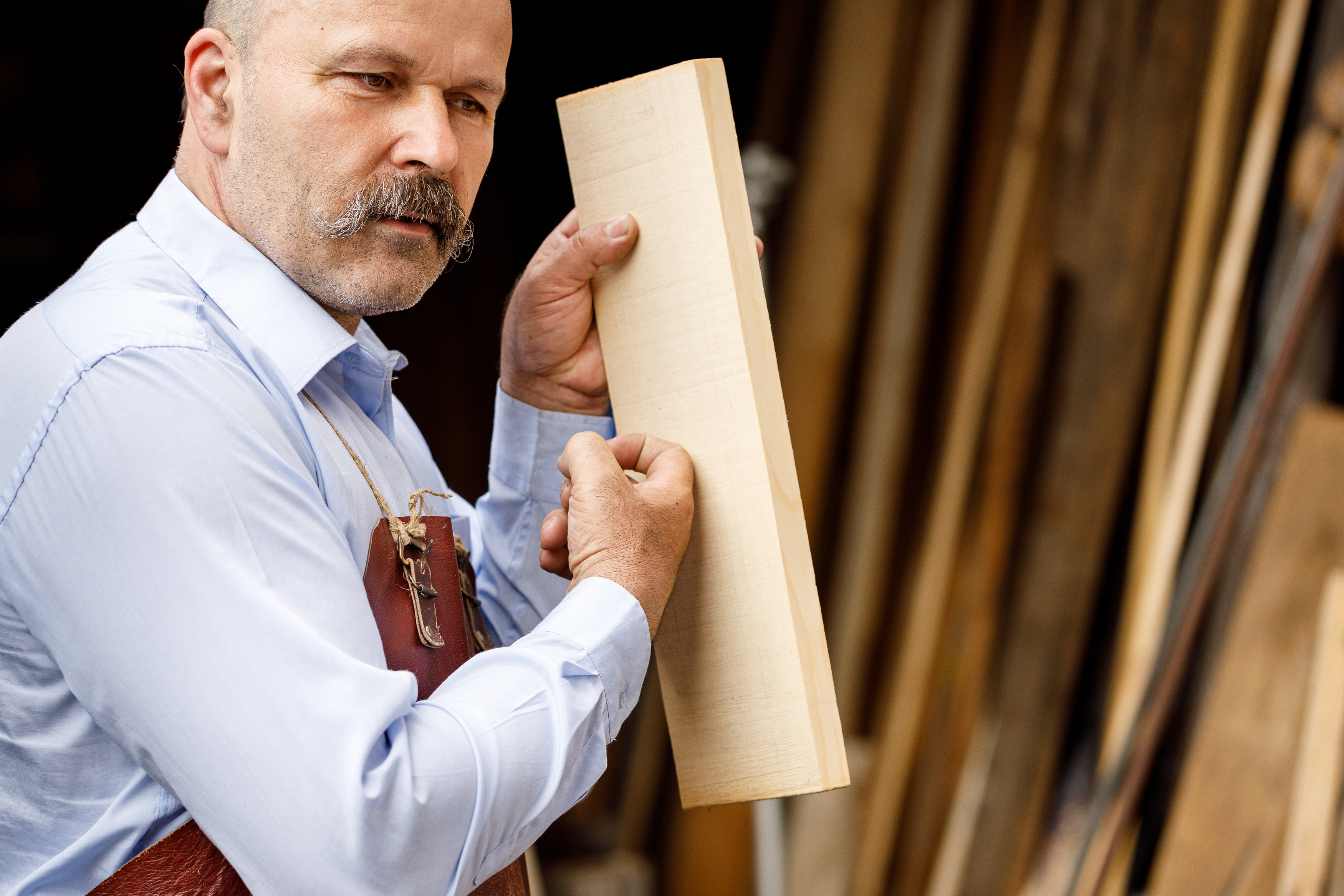
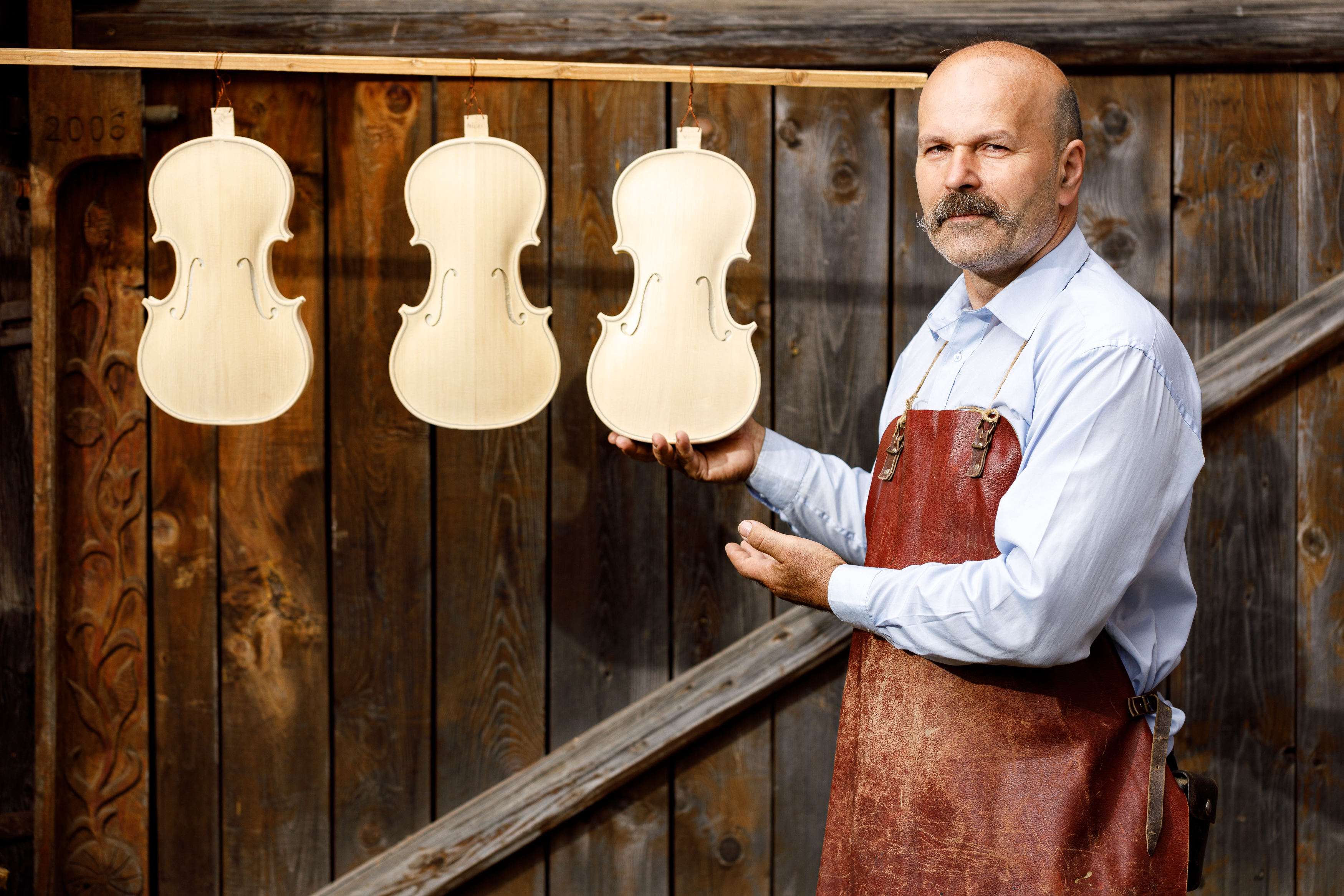
...He started making violins after working in a variety of violin making workshops and the knowledge gained there has been augmented by practical violin making courses at Halsway Manor in Somerset, UK. At present he makes violins after Stradivarius and Pressenda, and violas after Amati Brothers and Stradivarius. Instrument repairs are also undertaken."
Neville Gardner, University Lecturer Halsway Manor